
تائف
ةديدج ةنودم
اختيار المواد والمواصفات المناسبة لأجهزة استشعار أكسيد الإيثيلين RS485 لضمان السلامة بدقة
February 06 , 2026في مجالات مثل التعقيم الطبي والإنتاج الصناعي والخدمات اللوجستية للتخزين، يُستخدم أكسيد الإيثيلين (EO) على نطاق واسع كعامل تعقيم فعال للغاية وواسع النطاق. ومع ذلك، فإن خصائصه القابلة للاشتعال والانفجار والسمية والخطرة تفرض متطلبات صارمة لمراقبة السلامة. في السنوات الأخيرة، مستشعر أكسيد الإيثيلين RS485 أصبحت هذه التقنية، التي تجمع بين مزايا الإرسال الرقمي ومقاومة التداخل والمراقبة عن بُعد، عنصرًا أساسيًا في أنظمة مراقبة الغاز الذكية. في ظل وفرة المنتجات المتوفرة في السوق، كيف يمكن للمرء اتخاذ قرار مدروس بناءً على المواد الرئيسية والمواصفات الأساسية؟ تقدم هذه المقالة تحليلًا معمقًا.
أولاً: مادة الغلاف: خط الدفاع الأول للمستشعر
يُشكّل غلاف المستشعر حاجزًا يحمي من التآكل البيئي ويضمن التشغيل المستقر للمكونات الداخلية. ويؤثر اختيار المادة المستخدمة بشكل مباشر على مدى ملاءمة الجهاز لمختلف الظروف.
غلاف من الفولاذ المقاوم للصدأ (يفضل أن يكون من النوع 316L):
يُعدّ هذا المنتج بمثابة "درع" للبيئات الصناعية. فمقاومته الاستثنائية للتآكل تُمكّنه من تحمّل الظروف القاسية بسهولة، مثل الرطوبة العالية والأبخرة الكيميائية (كبقايا المطهرات). وهو مناسب بشكل خاص لورش تعقيم الأجهزة الطبية، ومحيط المصانع الكيميائية، والمواقع المشابهة. ورغم ارتفاع تكلفته، إلا أن عمره التشغيلي الطويل وموثوقيته التي لا تُضاهى تجعله الخيار الأمثل للبيئات الصناعية الصعبة.
غلاف من سبائك الألومنيوم (مؤكسد السطح):
يُحقق هذا المنتج توازناً مثالياً بين الوزن والتكلفة والحماية. توفر سبائك الألومنيوم المؤكسدة مقاومة جيدة للتآكل وتبديداً فعالاً للحرارة. وبفضل تصميمه خفيف الوزن (120 غراماً)، يُعدّ مناسباً للمستودعات العامة ومراكز الخدمات اللوجستية وغيرها من الأماكن المغلقة ذات البيئات الجافة نسبياً والتي تحتوي على الحد الأدنى من الغازات المسببة للتآكل.
غلاف بلاستيكي هندسي (مثل ABS، بولي كربونات):
تتمثل أهم مزايا هذا المنتج في خفة وزنه، وعزله الحراري، وفعاليته من حيث التكلفة. وهو مناسب لنقاط المراقبة الثابتة حيث تكون متطلبات مقاومة الانفجار متساهلة نسبيًا، والبيئة مستقرة ونظيفة. مع ذلك، ثمة خطر لتلف المادة عند تعرضها لأشعة الشمس لفترات طويلة أو ملامستها لمواد كيميائية معينة، لذا يُنصح بتجنب استخدامه في البيئات ذات التركيزات العالية من الغازات المسببة للتآكل.
نصائح الاختيار:
حدد الأولويات بناءً على مدى تآكل بيئة التركيب والميزانية المتاحة. يُعد الفولاذ المقاوم للصدأ ضروريًا للبيئات شديدة التآكل. أما في البيئات الداخلية الجافة عمومًا، فيُفضّل استخدام سبائك الألومنيوم الأقل تكلفة أو البلاستيك الهندسي عالي الجودة. في الوقت نفسه، تجنّب وضع الجهاز في بيئات ذات رطوبة تتجاوز 95% باستمرار لفترات طويلة لمنع تلف الغلاف والمكونات الداخلية.
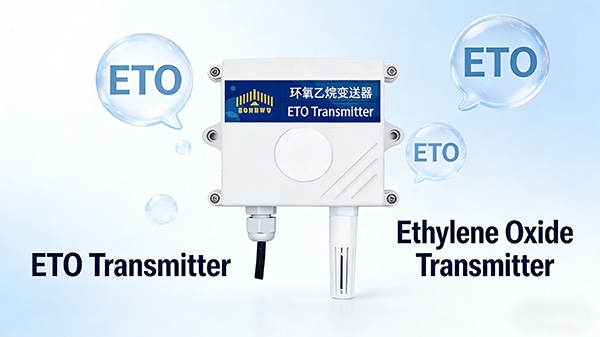
ثانيًا: عنصر الاستشعار والمواد الداخلية: العنصر الأساسي المحدد للأداء
داخل الغلاف، تعتبر مواد عنصر الاستشعار الذي يتصل مباشرة بأكسيد الإيثيلين ويكشفه، إلى جانب المكونات ذات الصلة، الضمانات الأساسية لحساسية المستشعر وسرعة استجابته وعمره الافتراضي.
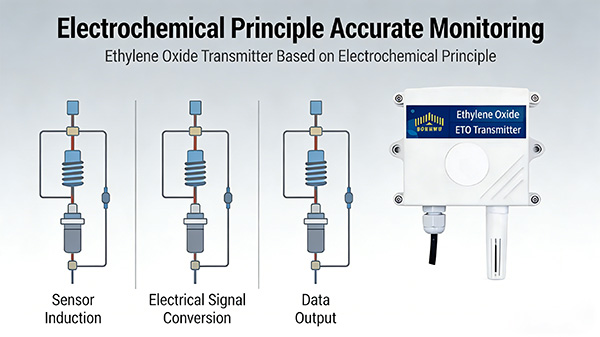
مبدأ الاستشعار الكهروكيميائي:
تُعدّ هذه التقنية الأساسية السائدة في الكشف عن أكسيد الإيثيلين، حيث تستغلّ التفاعل التآزري بين الأقطاب المحفزة والإلكتروليت لتحقيق الكشف عن الغاز. وتستخدم المنتجات عالية الجودة عادةً معادن ثمينة كالبلاتين أو الذهب كأقطاب محفزة، مما يوفر تفاعلات حساسة وثباتًا عاليًا. وبالإضافة إلى تركيبات الإلكتروليت المُحسّنة وعمليات التغليف، فإنها تُعزز بشكل كبير قدرات مقاومة التداخل، مما يضمن دقة الكشف حتى في البيئات المعقدة.
المواد المساعدة الرئيسية:
تُعدّ مواد المكونات، مثل الأغشية والمرشحات النفاذة للغاز، بالغة الأهمية. فعلى سبيل المثال، تستطيع أغشية البولي تترافلوروإيثيلين (PTFE) الكارهة للماء منع دخول الرطوبة والغبار إلى حجرة الاستشعار بفعالية، ما يحول دون "تسمم" المكونات وتعطلها، بينما تسمح في الوقت نفسه بمرور الغازات المستهدفة بسرعة، مما يوفر دعماً قوياً لسرعة تحديث البيانات التي تبلغ ثانية واحدة.
ضمان العمر الافتراضي:
يبلغ العمر الافتراضي التصميمي لهذه المستشعرات عادةً حوالي سنتين. عند الاستخدام الفعلي، ينبغي الانتباه إلى استقرار المواد الأساسية. يُنصح بإعطاء الأولوية للمنتجات التي تحمل علامات مثل "مقاومة للتداخل من الفورمالديهايد، وما إلى ذلك" لتجنب قصر العمر الافتراضي أو انخفاض دقة الكشف بسبب رداءة المواد المساعدة.
نصائح الاختيار:
انتبه إلى خبرة العلامة التجارية في مجال التكنولوجيا الكهروكيميائية الأساسية. أعطِ الأولوية للمنتجات التي تُظهر بوضوح قدرة عالية على مقاومة التداخل وعمرًا افتراضيًا قريبًا من معيار التصميم. في المناطق ذات البيئات المعقدة والتي تحتوي على مطهرات متعددة، تُعدّ أجهزة الاستشعار عالية الانتقائية ضرورية لتجنب أخطاء الكشف الناتجة عن التداخل المتبادل.
ثالثًا: معايير المواصفات الرئيسية: المقياس الدقيق لمطابقة المتطلبات
بعد اختيار المواد المناسبة، من الضروري مواءمة المستشعر تمامًا مع المتطلبات المحددة من خلال معايير المواصفات الأساسية، مما يضمن مراقبة فعالة ودقيقة.
المدى والدقة:
يتراوح النطاق القياسي السائد بين 0 و100 جزء في المليون بدقة 0.1 جزء في المليون، مما يلبي احتياجات الكشف الدقيق في معظم السيناريوهات، مثل مراقبة التسرب في بيئة التعقيم الطبي. ويمكن أن تصل دقة الكشف عن درجة الحرارة والرطوبة إلى
±
0.3
°
ج- توفير تعويض بيئي لكشف تركيز أكسيد الإيثيلين، وضمان دقة البيانات. أما بالنسبة لحالات مثل مراقبة العمليات الصناعية التي تتطلب نطاقات قياس أوسع، فيمكن الاستفسار عن نماذج مخصصة بشكل منفصل.
سرعة الاستجابة والتحديث:
لا يتطلب تحديث البيانات سوى ثانية واحدة، بالإضافة إلى تصميم سريع الاستجابة (يستغرق T90 عادةً 30 ثانية)، مما يتيح المراقبة الآنية والتنبيهات الفورية. وهذا مناسب بشكل خاص للحالات التي تتطلب سرعة عالية، مثل مراقبة بقايا التعقيم في المرافق الطبية.
القدرة على التكيف مع البيئة:
يتراوح نطاق درجة حرارة التشغيل بين -20 و -20
°
من C إلى 50
°
ج، ويتراوح نطاق الرطوبة النسبية من 15% إلى 90% (بدون تكثف). يجب التأكد من توافق الجهاز مع بيئة التركيب عند اختياره. بعد التخزين طويل الأمد، يحتاج الجهاز إلى فترة تهيئة لمدة 24 ساعة؛ أما الاستخدام الأولي فيتطلب فترة تهيئة لمدة 48 ساعة. يُعد هذا شرطًا أساسيًا لضمان دقة الكشف في المرات اللاحقة.
تصنيف الحماية ومقاومة الانفجار:
يسمح تصميم الغلاف المقاوم للماء بالتكيف مع بعض البيئات الرطبة. في حال استخدامه في أجواء قابلة للانفجار، يجب التأكد من حصول المنتج على شهادة مقاومة الانفجار اللازمة لتجنب أي مخاطر تتعلق بالسلامة.
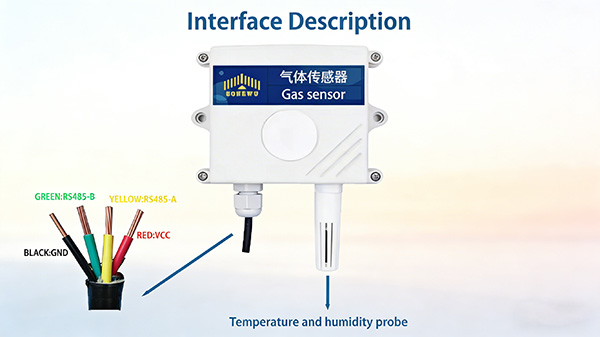
تفاصيل الاتصال عبر RS485:
يدعم بروتوكول ModBus RTU، باستخدام معيار اتصال يتكون من 8 بتات للبيانات، وبت إيقاف واحد، وبدون بت تكافؤ. يمكن اختيار معدل نقل البيانات بين 2400 و115200 بت/ثانية (الافتراضي 9600 بت/ثانية)، مع مسافة اتصال قصوى تصل إلى 2000 متر. يدعم الجهاز توصيل عدة أجهزة على ناقل واحد (مع مراعاة تجنب تعارض العناوين). عند الاختيار، تأكد مسبقًا من توافق معايير الاتصال مع النظام الحالي لضمان التكامل السلس.
نصائح الاختيار:
أعطِ الأولوية لنطاق 0-100 جزء في المليون القياسي للاختيار؛ راجع الدقة ضمن هذا النطاق.
±
يُعتبر هامش الخطأ بنسبة 3% معيارًا صناعيًا للجودة. يجب أن يكون زمن الاستجابة الأساسي وسرعة تحديث البيانات في حدود ثانية واحدة؛ وكلما زادت السرعة كان ذلك أفضل لتحسين دقة التنبيهات. يجب أن تتطابق المعايير البيئية بدقة مع سيناريو الاستخدام لتجنب تجاوز الحدود المسموح بها. يجب تأكيد تفاصيل الاتصال مسبقًا مع مُكامل النظام لضمان اتساق البروتوكول ومعدل نقل البيانات والمعايير الأخرى.
ملخص: الاختيار الدقيق يُنشئ حاجز أمان موثوقًا
يُعدّ اختيار مستشعر أكسيد الإيثيلين RS485 المناسب عملية تقييم منهجية: أولًا، يتم تقييم مخاطر التآكل ودرجة الحرارة والرطوبة والانفجار في بيئة التطبيق لتحديد مادة الغلاف ومستوى الحماية، مما يمنع تعطل الجهاز نتيجةً للعوامل البيئية. ثانيًا، يتم التركيز على الأداء الأساسي من خلال اختيار منتجات مصنوعة من مواد كهروكيميائية عالية الجودة، ومُصنّفة بوضوح وفقًا لقدرتها على مقاومة التداخل ومواصفات عمرها الافتراضي، لضمان بيانات كشف دقيقة ومستقرة. أخيرًا، يتم تحديد المتطلبات المحددة من خلال مواءمة المواصفات مثل المدى والدقة ومعايير الاتصال، لضمان توافق أداء المستشعر تمامًا مع أهداف المراقبة.
في المسائل المتعلقة بسلامة الأرواح والإنتاج، لا يُعدّ إجراء تحقيق شامل في مواد ومواصفات أجهزة الاستشعار مبالغةً بأي حال من الأحوال. بل يتعلق الأمر باستخدام دقة التكنولوجيا وقوتها لبناء حاجز غير مرئي ولكنه بالغ الأهمية وموثوق به، لضمان التشغيل الآمن في مختلف المجالات. https://www.zonewuiot.com/gas-sensors_c11

فتاه : +86 18146178586
Whatsapp : +86 18146178586
ينورتكلإ ديرب : qui@zonewu.com
فيضي : 1501-3, Building F03, Phase III, Software Park, Jimei District, Xiamen City, Fujian Province, China